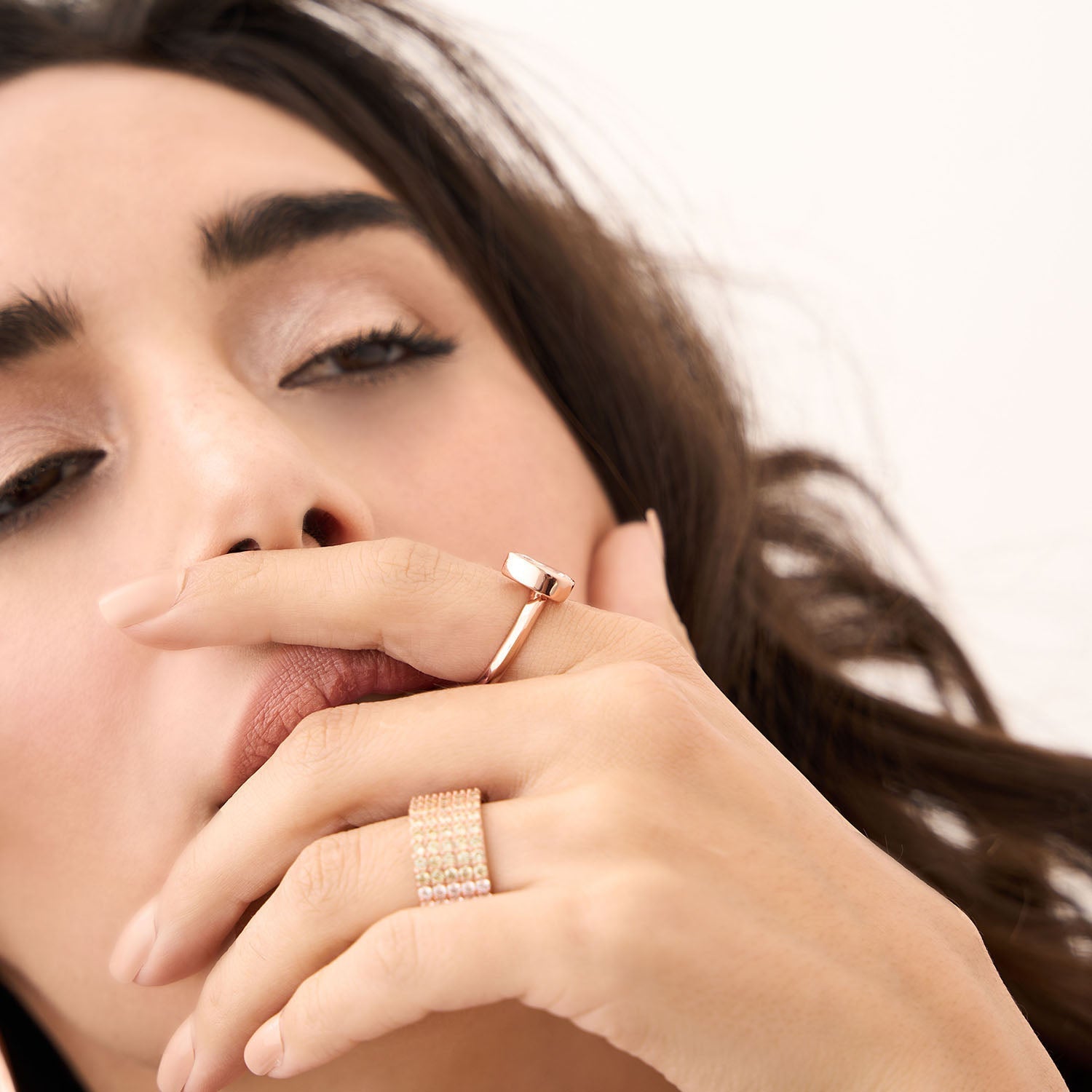
Everything You Need to Know About 
Rose Gold 
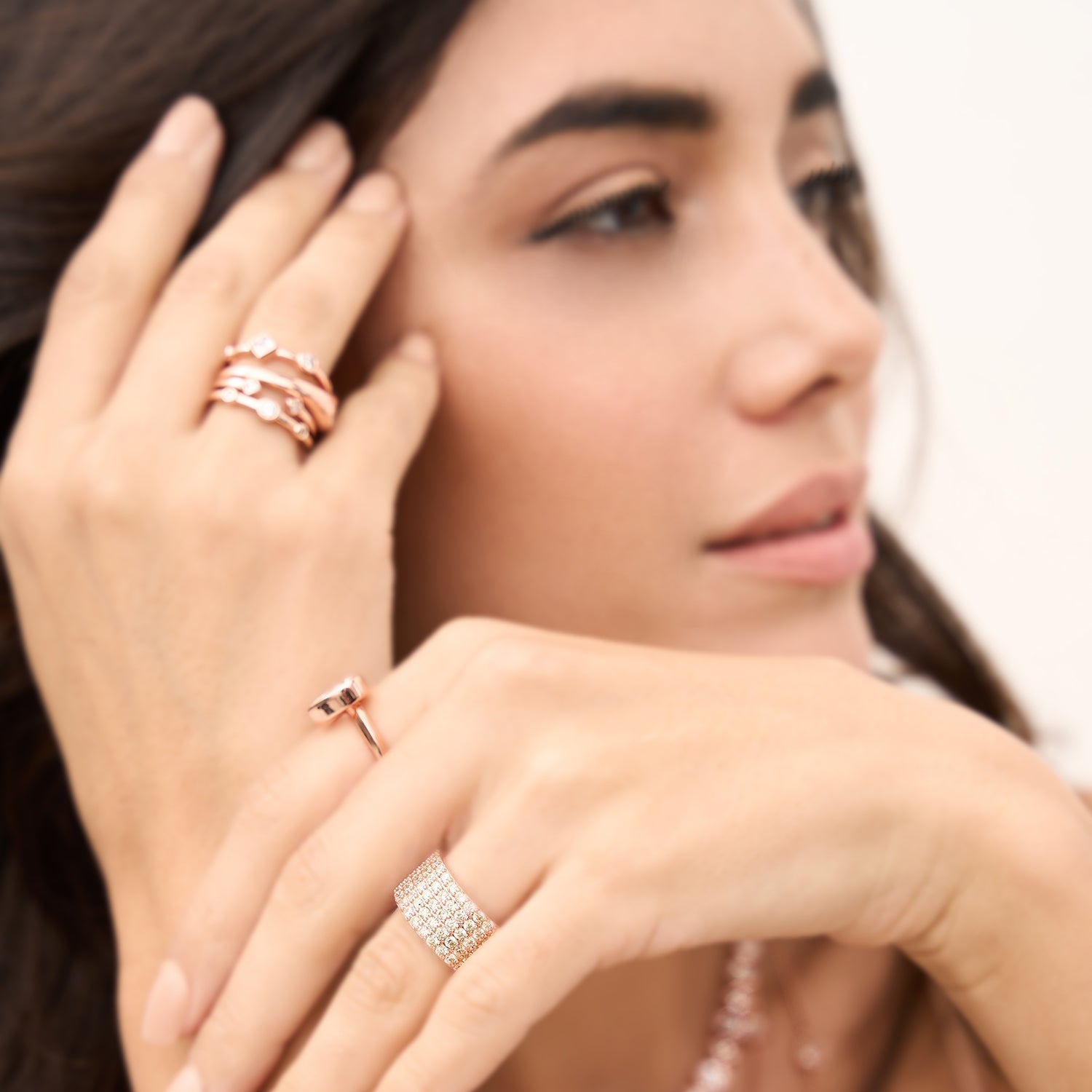
Everything You Need to Know
About 
Rose Gold
INDEX:

FAQ: Rose Gold Jewelry 

Q: What is Rose Gold?

​Q: What is the Color of Rose Gold?

Q: Is Rose Gold Real Gold?

Q: Is Rose Gold Durable?

Q: Does Rose Gold Fade?

Q: Does Rose Gold Tarnish?

Q: Is Rose Gold More Expensive Than Yellow Gold?

Q: Is Rose Gold and Pink Gold the Same?

Q: What is Red Gold?

Q: Is Rose Gold Good for Engagement Rings?

Q: How to Clean Rose Gold Jewelry?


   Rose gold has taken the jewelry world by storm, blending the romantic allure of pink with the timeless shine of traditional gold. This trend isn't just a fleeting moment—it's become a jewelry staple for those who want a touch of elegance with a modern twist. Whether you're a minimalist or love bold statement pieces, rose gold jewelry offers a versatile and flattering option that suits every skin tone.


   From the basics like rose gold's composition to the best ways to style and care for it, we'll discuss everything you need to know about making rose gold the star of your jewelry collection.. RoseGold


FAQ: Rose Gold Jewelry 

Q: What is Rose Gold?

   A: Rose gold jewelry is crafted through the process of alloying, where pure gold is mixed with other metal alloys to create the signature rose gold color and enhance the metal's overall strength. Pure gold (100% pure) is known for its natural, overly saturated yellow hue and extreme softness, making it unsuitable for everyday jewelry wear when not mixed with other alloy metals. Hence, the alloy copper is added to strengthen pure gold and to create a warm, pinkish tone. Occasionally, a small amount of silver may also be incorporated into rose gold's composition to balance the redness and provide a subtle brightness. RoseGold


​Q: What is the Color of Rose Gold?

   A: The exact shade of rose gold ranges from a soft, pale pink to a deeper, reddish pink, depending on the amount of copper content. Generally, the more copper that is used in the mixture, the redder the rose gold will appear. In contrast, the addition of silver to the rose gold alloy can also affect its color by making it lighter and less red. Silver acts to dilute the redness imparted by the copper, leading to a more subtle, paler rose hue shade. This adjustment allows for an even broader spectrum of colors within the rose gold family, providing options that range from soft pink to peach tones, depending on the exact proportions of gold, copper, and silver used in the alloy mixture. RoseGold


Q: Is Rose Gold Real Gold?

  A: Short answer: Yes, rose gold is indeed real gold, albeit with a unique twist. As mentioned earlier, rose gold is not a pure metal; it's an alloy mixture. Rose gold jewelry is crafted by combining pure 100% gold with other lesser metals, mainly copper and sometimes silver, which impart its distinctive rose gold color. 


   The amount of pure gold in rose gold's composition is measured in karat weight, just like any other gold alloy. Rose gold typically comes in the same karat values as yellow or white gold, such as 18K, 14K, and 10K:

  • 18K rose gold contains 75% pure gold.
  • 14K rose gold contains about 58.3% pure gold.
  • 10K rose gold contains about 41.7% pure gold.

   The remaining percentage is made up of copper and often a small amount of silver, which together determine the specific shade of the rose gold. Higher karat rose gold will be closer to a true gold color, while lower karat versions will have a deeper pink color due to the higher copper content relative to pure gold. RoseGold


Q: Is Rose Gold Durable?

   A: Yes, rose gold is typically more durable than yellow or white gold due to its higher copper content. The copper strengthens the alloy, making it more resistant to scratches and dents. Yellow gold, on the other hand, usually has a higher proportion of pure gold, which is softer and more prone to wear.


Q: Does Rose Gold Fade?

  A: Rose gold jewelry does not fade in the way that some plated jewelry might because it is made from an alloy mixture of gold, copper, and sometimes silver. The color of rose gold is inherent to its metal composition, so it will retain its warm, pinkish hue over time. However, rose gold can develop a subtle patina as it ages, primarily due to its copper content. A rose gold patina can give jewelry a slightly darker or more vintage look, which many people find appealing. RoseGold


Q: Does Rose Gold Tarnish?

  A: Rose gold jewelry does not tarnish in the traditional sense because it is made primarily of gold, which is a non-reactive metal. However, it can develop a patina over time due to the copper in the alloy. This patina might give rose gold a slightly darker or more vintage appearance, which some people find attractive. Unlike silver, rose gold won't turn black or green, but it may lose a bit of its initial shine if not properly cared for. Regular cleaning and gentle polishing can help maintain rose gold's signature warm glow. RoseGold


Q: Is Rose Gold More Expensive Than Yellow Gold?

  A: The price of rose gold and yellow gold jewelry can vary depending on several factors, including:

  • Karat Weight: Higher karat gold (e.g., 18K and higher) is more expensive than lower karat gold (e.g., 14K and lower), regardless of its color. 
  • Design and craftsmanship: Intricate designs and handmade pieces can increase the price of both rose gold and yellow gold jewelry.  
  • Current market value of gold: Fluctuations in the global gold market can affect the price of both types of gold.  

  Generally, there is little to no price difference between rose gold and yellow gold jewelry when comparing items of the same karat weight and design. The pricing for both types of gold typically aligns closely, with variations in cost mainly influenced by the particular characteristics and features of the individual piece. RoseGold


Q: Is Rose Gold and Pink Gold the Same?

  A: Rose gold and pink gold are similar in that both metals are alloys combining pure gold with copper, resulting in a warm, "reddish" hue. However, the key difference between these two metals lies in the copper-to-gold ratio.


  In general, rose gold is pink. However, the higher the copper concentration in the mixture, the deeper and richer the pinkish-red tone. This alloy also includes a bit of silver, which brightens and balances the color. Pink gold, conversely, has a slightly lower copper content than rose gold. This results in a lighter, softer pink hue, making pink gold appear paler and more delicate compared to the more vivid rose gold. RoseGold


Q: What is Red Gold?

  A: Yes, red gold is a type of gold alloy, similar to rose and pink gold, but with a higher copper content that gives it a deeper, more intense red hue. This bold, warm color makes red gold a striking choice for those who want jewelry with a richer, standout tone. Unlike rose gold’s softer pink tint, red gold has a stronger copper blend for a more vivid finish.


Q: Is Rose Gold Good for Engagement Rings?

   A: Certainly, rose gold is a fantastic choice for engagement rings. Its distinctive, romantic hue presents a contemporary twist on the conventional options of yellow or white gold, blending timeless elegance with modern style. The combination of gold and copper in rose gold not only gives it its warm tone but also creates a strong and durable alloy, ideal for the daily demands of an engagement ring.


  In addition to this, the appealing warm shade of rose gold flatters various skin tones and harmonizes beautifully with both diamonds and colored gemstones, enhancing its versatility. With its vintage allure, rose gold rings bring a touch of old-world romance, yet their growing popularity ensures they remain a fashionable choice for many years to come. RoseGold


Q: How to Clean Rose Gold Jewelry?

  Materials Needed:

  • Mild Dish Soap
  • Warm Water
  • Soft-Bristled toothbrush
  • Small Bowl
  • Lint-Free Cloth
  • Polishing Cloth

    A: Cleaning rose gold jewelry is simple and can help maintain its beautiful, warm glow. Here’s a step-by-step guide: RoseGold

  1. Mix a Gentle Solution: Combine a few drops of mild dish soap with warm water in a small bowl. Avoid any harsh or abrasive cleaners that can harm the metal.
  2. Soak Your Jewelry: Place the rose gold piece in the solution and let it soak for 15–20 minutes to loosen dirt and buildup.
  3. Gently Brush: Use a soft-bristled toothbrush or jewelry brush to gently clean the surface, especially around crevices. Avoid scrubbing too hard to prevent scratching the metal.
  4. Rinse Thoroughly: Rinse the piece under warm running water to remove all soap residue. Make sure the sink drain is covered first.
  5. Dry Carefully: Pat dry with a soft, lint-free cloth. Avoid letting it air-dry, as water spots may form.
  6. Polish to Finish: For extra shine, gently buff with a polishing cloth designed for rose gold.

Wrapping Up:

   Rose gold jewelry has earned its place as a modern classic, offering a perfect balance of elegance, warmth, and durability. Whether you're investing in an engagement ring, adding to your jewelry collection, or simply seeking a unique piece that stands out, rose gold is a versatile option that complements all styles and skin tones.


   By understanding rose gold's composition, jewelry care, and unique characteristics, you can ensure that your rose gold jewelry stays radiant and stylish for years to come. Embrace the timeless beauty of rose gold and enjoy the lasting charm it brings to your jewelry wardrobe. RoseGold


Title

BECOME A MEMBER

Subscribe to Bonheur Jewelry's newsletter to get first dibs on our newest arrivals, largest sales, members-only items, and much more.

Thanks for contacting us. We'll get back to you as soon as possible.

BECOME A BRAND AMBASSADOR

Join the Bonheur Jewelry family as a brand ambassador and embrace the opportunity to showcase eco-friendly, exquisite jewelry that celebrates sustainable elegance.

Apply